Tracing Digital Wallet Pathways to Reveal Scalping Layers on Global Exchanges
Logan Jenkins · Sep 17, 2026
Tracing Digital Wallet Pathways to Reveal Scalping Layers on Global Exchanges
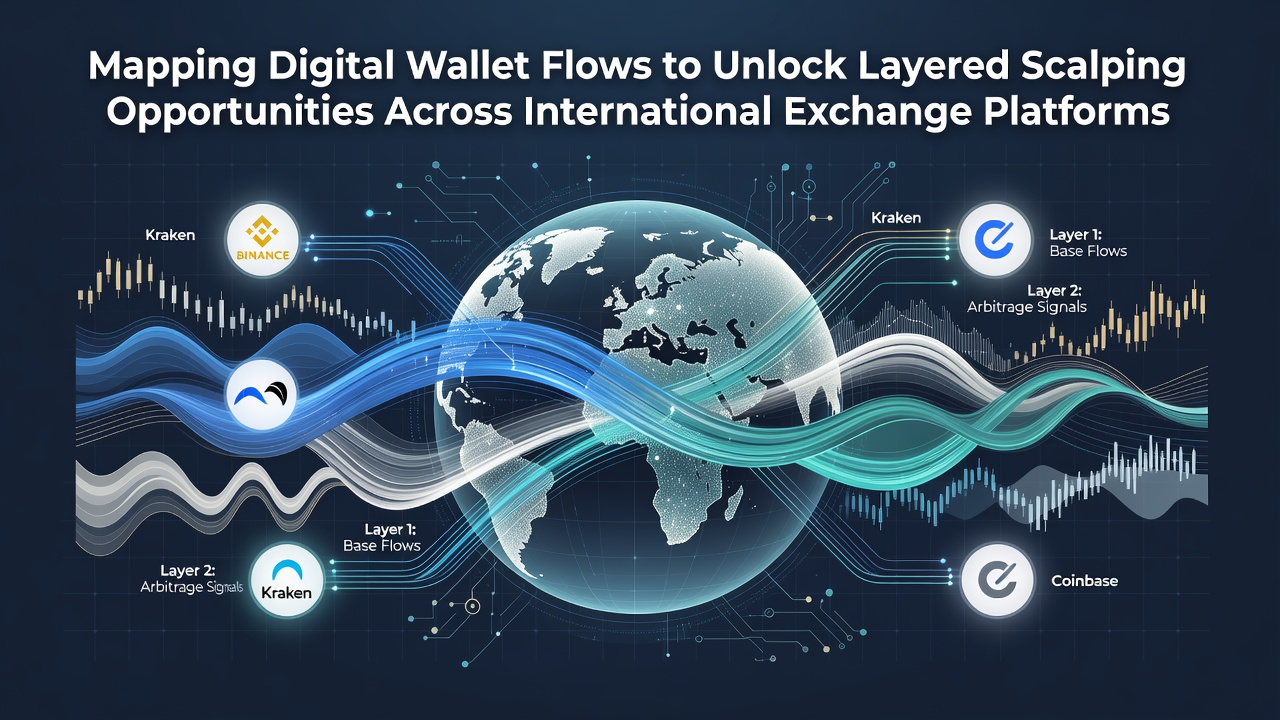
Data from multiple financial monitoring bodies shows that digital wallet adoption continues to accelerate worldwide, and analysts track these flows to identify timing advantages in layered trading setups on betting exchanges that span different regulatory zones. Researchers at institutions focused on payment systems note consistent patterns where rapid deposits and withdrawals create short windows for scalping strategies that stack positions across platforms in Europe, Asia, and North America simultaneously.
One study released in mid-2026 highlighted how wallet providers process millions of micro-transactions daily, while exchange operators in various jurisdictions record matching spikes in activity during live events. Observers note that mapping these movements involves examining timestamps, currency conversions, and settlement speeds because those details often reveal liquidity pockets that traders exploit through sequential back-and-lay sequences.
Payment Infrastructure Patterns Across Borders
Transaction records compiled by the Bank for International Settlements indicate digital wallets now handle a growing share of cross-border value transfers, and this shift affects how funds reach international exchange accounts with minimal delay. Those who've examined settlement logs find that certain wallet-to-exchange corridors clear faster than others, creating predictable intervals where odds discrepancies appear before markets adjust. Experts point out that layered scalping relies on executing multiple small positions rather than single large bets, which reduces exposure while capitalizing on the brief misalignments that wallet flow data makes visible.
Figures from payment network operators reveal seasonal surges around major sporting calendars, and September 2026 showed elevated volumes during overlapping football and tennis fixtures across continents. Analysts who monitor these cycles report that wallets supporting instant funding options tend to correlate with heightened activity on exchanges located in regions with lighter real-time reporting rules. This combination allows traders to rotate capital through several platforms before any single operator's risk systems flag repeated patterns.
Layered Execution Tactics and Timing Windows
Case examples documented in industry reports demonstrate traders using wallet analytics to time entries into multiple exchanges at once, and the approach works by aligning deposit confirmations with live market updates. Data shows that platforms accepting a wide range of digital wallets experience faster order matching during peak hours, which in turn generates the micro-movements scalpers target. Those monitoring wallet ledgers note that conversion fees and processing lags between currencies can either erode or enhance margins depending on the sequence of platforms chosen.
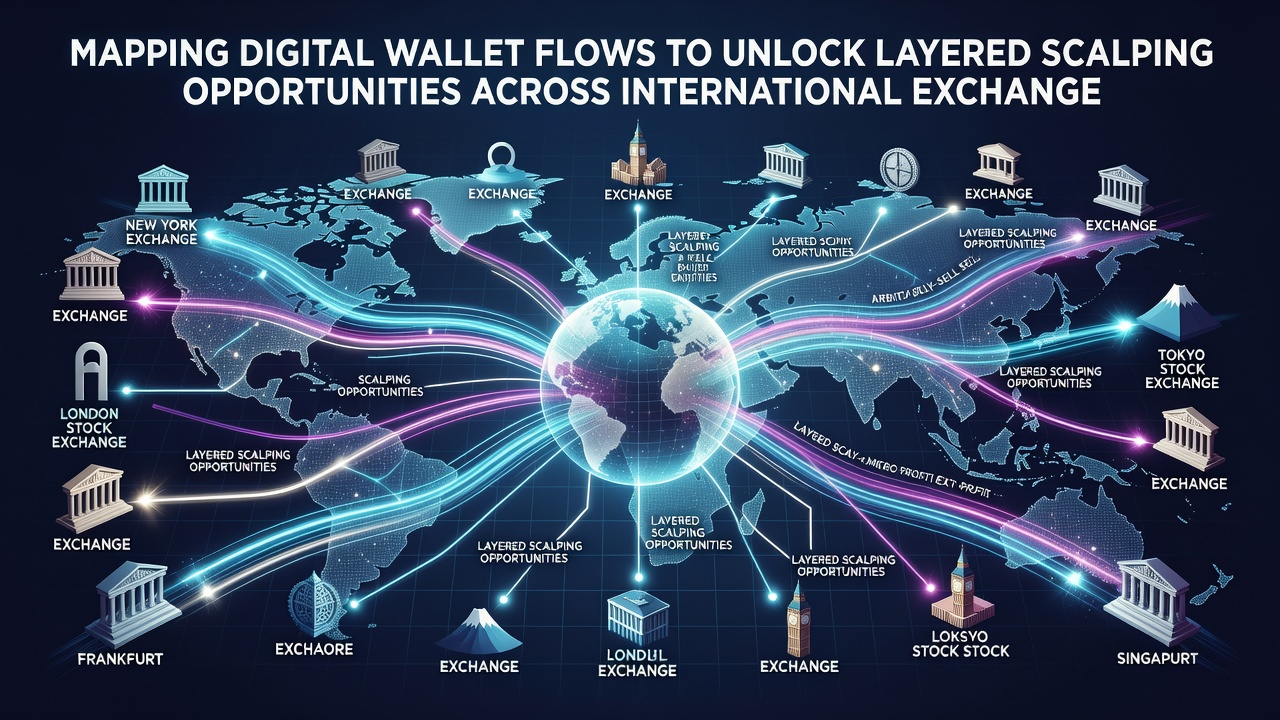
Research from academic centers studying fintech applications in gaming markets finds that operators with integrated wallet APIs reduce friction for users, yet this same integration supplies clearer signals for those mapping flow velocity. Traders who review aggregated wallet statistics often identify clusters of activity that precede odds shifts on specific outcomes, allowing preemptive positioning across several books and exchanges. The method requires constant recalibration because regulatory changes in one jurisdiction can alter settlement times and force adjustments to the layering sequence.
Regulatory Influences on Wallet Accessibility
Reports issued by authorities such as the Australian Transaction Reports and Analysis Centre document how anti-money-laundering requirements shape wallet usage patterns, and these rules indirectly influence which exchange corridors remain viable for rapid scalping rotations. Observers note that jurisdictions maintaining stricter verification layers tend to slow fund movement, thereby narrowing the windows available for multi-platform strategies. Meanwhile, regions with streamlined digital wallet approvals see higher transaction throughput that supports more frequent position stacking.
Industry associations tracking global betting technology adoption record steady growth in wallet-linked accounts, and this expansion supplies richer datasets for flow analysis. People studying these trends point to September 2026 figures showing increased cross-border wallet usage during international tournament periods, which in turn amplified opportunities for identifying layered edges before markets stabilized.
Conclusion
Mapping digital wallet flows provides measurable inputs for constructing layered scalping approaches across international exchange platforms, and ongoing data collection from payment networks and regulatory bodies continues to refine these models. Those analyzing transaction patterns find that timing, corridor speed, and regulatory differences combine to shape the practical windows available for such strategies. As wallet infrastructure evolves, the granularity of available flow information supports more precise coordination of positions across multiple jurisdictions without relying on single-market exposure.