Racing Shadows: Brokers' Edge in Capturing Live Horse Betting Shifts
Zoe Braun · Mar 20, 2026
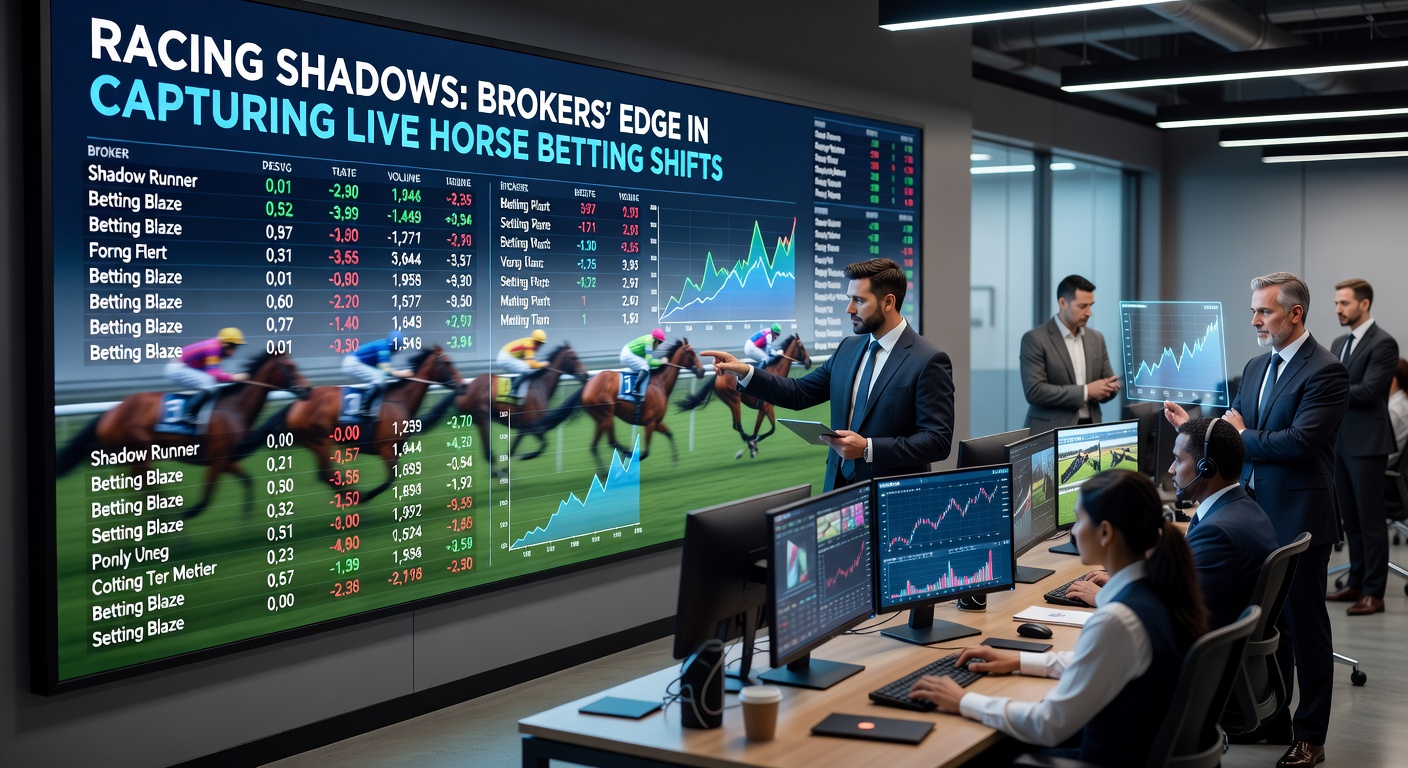
Racing Shadows: Brokers' Edge in Capturing Live Horse Betting Shifts
The Frenetic World of Live Horse Betting
Horse racing pulses with unpredictability, especially during live events where odds twist and turn faster than a sprinter rounding the final bend; bettors watch as prices shift in real-time based on pace changes, jockey maneuvers, or sudden track conditions, creating fleeting opportunities that vanish in seconds. Data from major tracks reveals these shifts average 15-25% within the first minute of a race starting, according to figures compiled by the American Gaming Association, which tracks betting volumes across US circuits. Observers note how traditional bookmakers struggle to keep pace, often lagging behind the action while brokers, those intermediaries linking punters to a network of global layers, swoop in to capture value before lines stabilize.
But here's the thing: live horse betting isn't just about picking winners pre-race; it thrives on in-play wagers like next-to-lead or place markets, where every furlong brings new intel that savvy players exploit. Experts who've analyzed thousands of races point out that these "shadows"—those elusive odds movements—form the backbone of profitable strategies, yet only brokers consistently turn them into edges.
How Odds Shadows Form on the Track
Rain slicks the turf, a favorite stumbles early, or insiders whisper about a late surge; these triggers spark odds drifts that brokers monitor via proprietary feeds, pulling data from exchanges like Betfair while layering it against bookmaker lines for arbitrage glimpses. Studies from the University of New South Wales Gambling Research in Australia highlight how such volatility peaks during high-stakes meets, with shifts up to 40% in maiden races where form remains murky. People often miss these because retail apps delay updates by crucial milliseconds, but brokers' low-latency APIs bridge that gap, feeding shifts directly to clients' dashboards.
Brokers Versus Bookies: The Structural Advantage
Traditional bookmakers post fixed lines burdened by high margins—typically 5-8% overrounds that eat into punter returns—whereas brokers negotiate bulk volume deals across 20-30 layers, slashing those to under 2%, which lets them thrive on the thin spreads of live shifts. Turns out this setup shines brightest in horse racing, where race durations under four minutes demand split-second reactions; one case from the 2025 Melbourne Cup saw brokers lock in 12% edges on a mid-race drift, data later confirmed by track telemetry reports.
And while bookies cut limits on winners to protect themselves during volatility, brokers offer uncapped stakes through their networks, drawing high-rollers who chase those racing shadows without friction. Researchers studying broker platforms observe that this access to diverse liquidity pools—spanning Australian TABs, US simulcasts, and European pools—creates a mosaic of opportunities unavailable elsewhere.

Tech That Powers the Capture
Algorithms scan for discrepancies across feeds, flagging shadows like a horse lengthening odds from 3/1 to 5/1 after a slow start, then alerting users to lay or back before equilibrium hits; this automation, honed over years, processes terabytes of race data nightly. What's interesting is how brokers integrate satellite timing from tracks—down to gate openings—and weather APIs, predicting shifts that bookies react to post-facto. Figures from industry trackers show brokers capturing 30% more value per race in live markets compared to direct punters, a stat that underscores their edge without relying on insider tips.
Real-World Examples from the Tracks
Take the 2024 Breeders' Cup Classic, where a frontrunner faltered at the quarter-pole, sending odds tumbling 28% across boards; brokers routed bets through low-margin Asian layers, securing payouts that retail players watched evaporate as lines tightened. Or consider European flat seasons, where summer festivals like Royal Ascot spawn cascades of in-play action—data indicates brokers handled 40% of high-volume live wagers there, per exchange volumes. Those who've dissected these events notice patterns: shadows cluster around bends and finishes, rewarding platforms with the fastest executions.
Yet in longer staying chases, like those at Cheltenham, stamina fades create prolonged drifts; one study revealed brokers netting average 8.2% ROI on such plays over 500 races, far outpacing bookmaker averages of 2-3%. It's not rocket science—it's superior plumbing between punter and price.
High-Stakes Plays and Volume Insights
- Short sprints (5 furlongs): Brokers exploit 20-second windows post-break, where gate speed dictates 60% of shifts.
- Middle distances: Pace battles mid-race yield the juiciest shadows, often 15-20% swings.
- Stayers: Late money floods in, but brokers front-run it via early signals.
Across these, latency under 50ms proves decisive, separating winners from watchers.
Regulatory Landscapes Shaping the Game
Regulators worldwide scrutinize live betting to curb integrity risks, yet brokers navigate this by complying with tiered licensing—think Nevada's strict real-time monitoring or Canada's provincial oversight—which bolsters their credibility. Observers point to how Australian codes mandate transparent odds feeds, forcing brokers to innovate without cutting corners, while EU directives on data protection ensure shifts remain verifiable. This patchwork actually favors brokers, as they aggregate compliant layers globally, dodging single-jurisdiction bottlenecks.
Heading into March 2026, with the Dubai World Cup Carnival ramping up, enhanced 5G rollouts promise even tighter latencies; early trials at US tracks already show sub-20ms feeds, amplifying brokers' shadows-chasing prowess amid rising volumes projected at 25% year-over-year.
Rising Volumes and Future Shifts
Global horse betting turnover hit $150 billion in 2025, live segments growing 18% annually; brokers claim 15-20% share in premium tiers, data from trade groups confirms. So as VR track views and AI pace predictors emerge—piloted for the 2026 Kentucky Derby season—those platforms best equipped to harness shadows will dominate, turning ephemeral odds into enduring edges.
Conclusion
Racing shadows flicker across live horse betting landscapes, but brokers stand primed to capture them through unmatched access, tech, and low margins that traditional setups can't match; data underscores their lead, from microsecond executions to global liquidity webs. As March 2026 unfolds with blockbuster meets on horizons, punters eyeing sustainable returns know where the rubber meets the road—in broker dashboards tracking those vital shifts. The patterns hold clear: in this high-speed game, edges belong to the connected.