Mapping Transaction Pathways Among High-Value Bettors in Cross-Platform Sports Environments
Zoe Ludwig · Jul 27, 2026

Mapping Transaction Pathways Among High-Value Bettors in Cross-Platform Sports Environments
Payment networks that support elite wagerers operate through layered systems spanning bookmakers, exchanges, and digital wallets, with activity concentrated in multi-sport arenas where football, tennis, and horse racing markets intersect daily. Data from regulatory filings indicate these networks process transfers in real time while complying with varying jurisdictional rules on anti-money laundering and transaction reporting.
Core Components of Hybrid Platform Payments
Hybrid platforms combine traditional bookmaker odds with peer-to-peer exchange layers, allowing users to move funds between accounts without leaving the ecosystem. Observers note that elite wagerers often route payments through multiple intermediaries, including e-wallets and cryptocurrency services, to maintain liquidity across time zones and event schedules. In July 2026 several operators reported increased use of stablecoin transfers for cross-border settlements, citing faster settlement times compared with traditional bank wires.
Those who track these flows point to specific patterns where large transfers coincide with major tournaments. Researchers at academic institutions have documented how payment rails adapt when events span multiple sports, such as simultaneous Premier League matches and grand slam tennis sessions, creating peaks in transaction volume that require automated compliance checks.
Regulatory Oversight Across Regions
Nevada Gaming Control Board records show that operators must maintain detailed logs of high-value transactions, with thresholds triggering enhanced due diligence when single transfers exceed defined limits. Similar requirements appear in Australian frameworks administered by state commissions, where operators submit periodic reports on player activity across hybrid sites. Industry groups like the European Gaming and Betting Association have published guidelines encouraging standardized data formats to improve interoperability between platforms.
One study from a Canadian research center examined how payment networks handle multi-sport wagers, revealing that elite participants frequently split deposits across several providers to manage risk exposure. The analysis highlighted the role of automated monitoring tools that flag unusual patterns without halting legitimate activity.
Case Examples from Multi-Sport Arenas
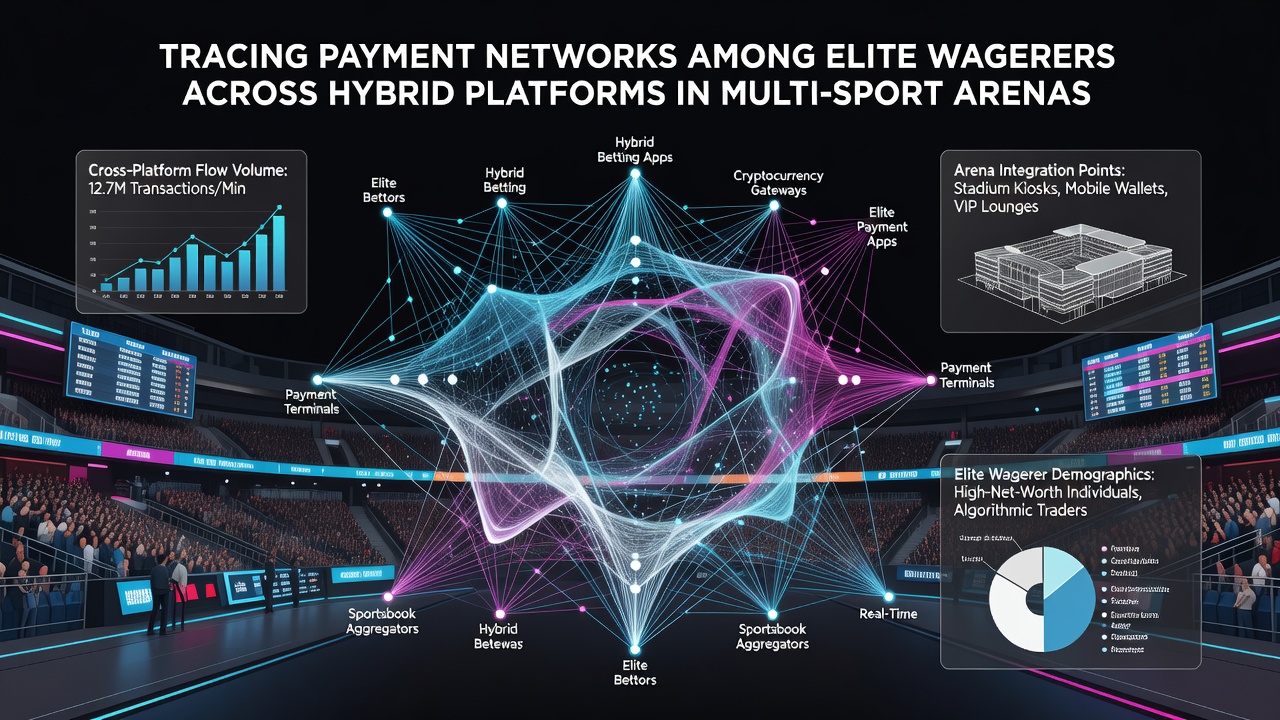
Take the scenario of a major arena hosting both football and rugby fixtures on the same weekend. Transaction data indicate that high-volume users shift balances between accounts to exploit slight pricing differences, with payments routed through licensed processors that record each step. Experts tracking these movements have observed that hybrid platforms integrate APIs from multiple financial providers, enabling seamless transfers while generating audit trails required by oversight bodies.
Another instance involves tennis tournaments where futures markets run alongside in-play options. Payment networks in these environments often incorporate instant verification steps, and figures from regional regulators demonstrate that such systems reduce processing delays for verified accounts. Those monitoring activity note that elite wagerers maintain relationships with several payment gateways, distributing volume to avoid concentration flags.
Technology Supporting Traceability
Blockchain analytics tools now assist operators in mapping cryptocurrency flows that appear in some elite wagering circles. Reports from university research teams show that these tools identify clusters of related addresses even when users attempt to obscure origins through mixing services. At the same time, traditional banking channels continue to dominate, with data indicating that most large transfers still route through established payment processors subject to Know Your Customer protocols.
Operators have adopted machine learning models to predict transaction spikes tied to multi-sport calendars, allowing preemptive scaling of compliance resources. What's interesting is how these models integrate live event schedules with historical payment data to flag potential anomalies before they escalate.
Conclusion
Tracing payment networks among elite wagerers across hybrid platforms reveals a system built on interconnected financial rails, regulatory reporting, and technological monitoring. Information from diverse oversight bodies and research sources illustrates consistent patterns in how funds move between accounts during multi-sport events, with emphasis on compliance and auditability remaining central to operations. Continued development of these networks depends on alignment between platform providers, financial institutions, and regulatory frameworks operating in different jurisdictions.