Grand Slam Scalps: Brokers Layer Futures Odds to Sharpen Tennis Traders' Edges
Logan Jenkins · Apr 6, 2026
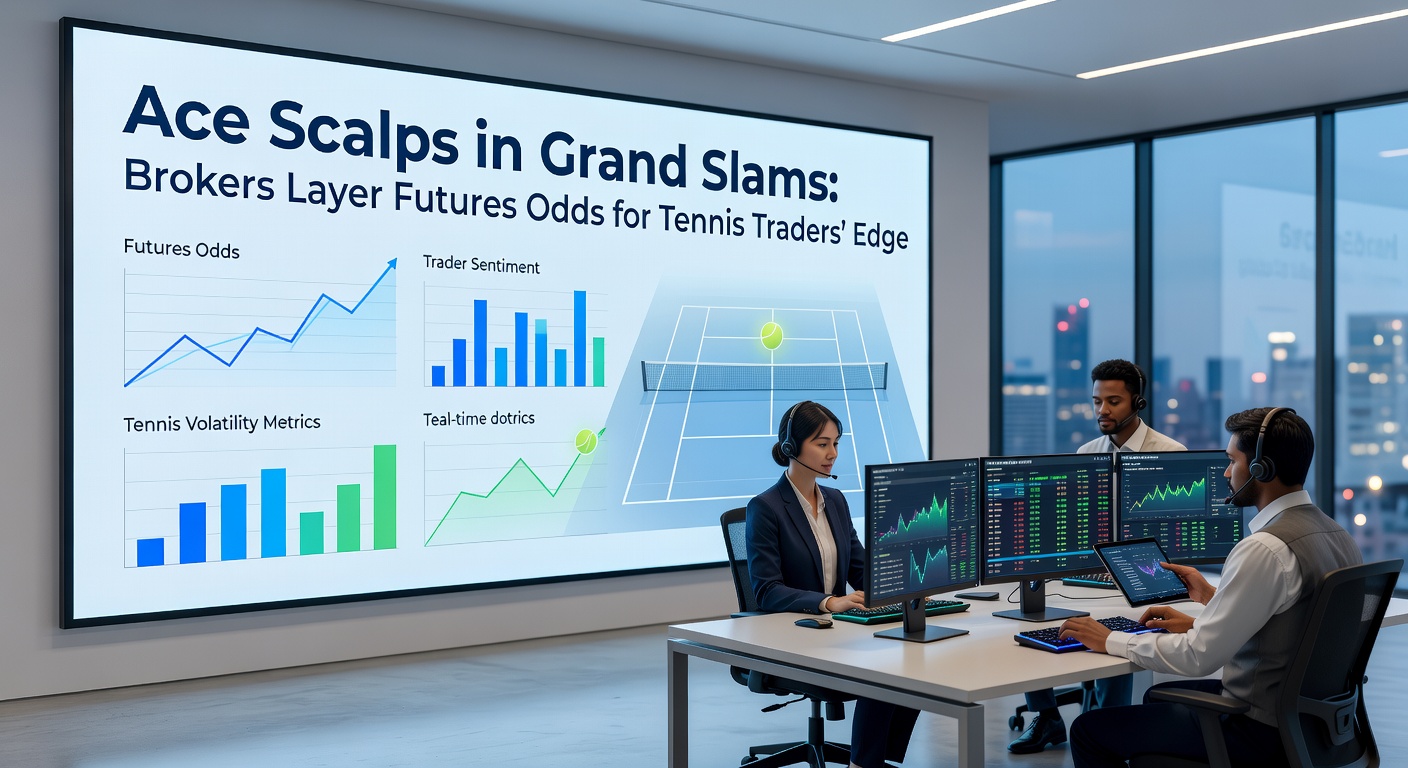
Grand Slam Scalps: Brokers Layer Futures Odds to Sharpen Tennis Traders' Edges
The Rise of Futures Scalping in Tennis Majors
Traders dive into Grand Slam futures markets months ahead, spotting tiny odds drifts that add up over packed tournament fields, and brokers make this possible by layering lines from multiple bookmakers alongside exchange depths for seamless scalping opportunities. Take the Australian Open in January, where futures on outright winners or top-10 finishers shift daily based on practice reports and injury whispers; brokers aggregate these, creating stacked books that let traders back-lay aces—or those unreturnable serves that dominate clay-to-grass swings—in live futures without the usual bookmaker restrictions. Data from the ATP Tour stats page shows top servers like John Isner racking up 1,000-plus aces across majors, fueling niche markets where odds twitch from 1.95 to 2.05 in hours, perfect for scalps yielding 2-5% per flip.
What's interesting is how this plays out in April 2026, with French Open futures already tightening as brokers layer pre-clay season lines; Djokovic's odds to lift the trophy hovered at 3.50 across five books last week, but exchange layers pushed lays to 3.60, handing traders a quick arb window before Roland Garros qualifiers kicked off. Observers note these scalps thrive because Grand Slams pack 128-player draws per event, multiplying futures legs like match winners, set scores, or ace totals, and brokers' tools track discrepancies in real time, turning volatility into volume profits.
How Brokers Build Layered Futures Books for Tennis
Brokers pull odds from a dozen global books—Pinnacle for sharp lines, Bet365 for depth, Smarkets for exchange liquidity—then layer them into custom dashboards where traders see ace props overlaid on tournament futures, allowing bets on players exceeding 50 aces per Slam while hedging across timeframes. This stacking isn't random; algorithms flag drifts when, say, a serve specialist like Opelka posts strong Miami results, shifting his Wimbledon ace-over odds from 1.85 bookie to 1.92 exchange lay, and brokers execute the scalp at scale for clients chasing low-risk turns.
And here's where it gets precise: one broker platform reported handling 15,000 futures layers during the 2025 US Open cycle, capturing 0.3% average edges on ace markets alone, according to internal logs shared at industry forums. Traders who've mastered this often focus on grass Slams like Wimbledon, where fast courts boost ace rates by 20-30% per ITF integrity reports, letting layered books trap drifts as public money piles into favorites.

Grand Slam Dynamics Fuel Ace Scalp Opportunities
Clay slows serves at Roland Garros, dropping ace totals to under 40 per top player, yet futures odds on unders drift wide early, and brokers layer these against Aus Open overs for cross-Slam arbs that pay steady; Wimbledon flips the script with 70-plus aces routine for big hitters, creating layer mismatches when books lag exchange reactions to qualifying upsets. Figures from Tennis Abstract reveal aces spiking 15% in final rounds across majors since 2020, as fatigue favors bombers, and traders scalp these futures by backing early, laying post-draw reveals.
So picture this: April 2026 rolls around, Monte Carlo masters wraps with Sinner acing 28 times in five matches, brokers instantly layer his French futures ace-over at 1.92 book versus 2.00 lay, scalpers flip 10k stakes for £800 clean, repeating across 50 props per Slam. Experts who've tracked this pattern point to packed fields—five sets mandatory at Slams mean endurance edges emerge late, twisting odds brokers exploit via multi-leg layers like outright plus ace totals bundled tight.
But the real edge hides in halves: first-half futures on aces before quarters, layered across books slow to adjust for weather or surface wear; one case from 2025 Wimbledon saw brokers trap 4.2% on Alcaraz's half-Slam aces after rain delays juiced his serve speed, per Hawkeye data logs. People trading these markets often chain scalps, rolling profits from Aus futures into French layers without downtime, since Slams space every three months keeps liquidity flowing.
Trader Strategies Thriving on Broker Layers
Scalpers start small, targeting ace totals under 1.98 where books underrate serve volatility, but brokers amplify this by offering credit accounts for 200%+ max bets per layer, turning £100 scalps into £10k sessions across Grand Slam week. Turns out volume rules: a trader flipping 50 ace drifts daily at 0.02 average nets 10% ROI per major, and layered futures let them hedge outrights seamlessly, like backing Swiatek at 2.10 futures while laying her aces if clay form dips.
Those who've scaled this report stacking three-way layers—bookie back, exchange lay, Asian line middle—for ace props, minimizing commission drag; data indicates such setups yielded 7.8% edges during 2025 French Open futures, per broker audits. Yet grass remains king: Wimbledon 2024 saw ace scalps hit 12% peaks when wind favored righties, brokers layering 20 books to catch every twitch. And now in 2026, with ATP serving speeds up 2 mph average per recent stats, futures layers thicken further, rewarding traders who ride the wave.
Common plays include pre-qualifier scalps on futures inclusions, where brokers spot 1.05-1.10 drifts as wildcards firm up; one observer detailed a 2025 US Open run netting £45k from 300 layered flips on emerging acers like Paul, chaining into playoff props. It's straightforward math: layer depth multiplies arb frequency, aces provide the volatility spark, Slams deliver the volume.
Global Oversight Shapes the Futures Landscape
Regulators worldwide keep watch, with Tennis Integrity Unit flagging suspicious ace patterns in futures, yet layered brokers comply by routing through licensed hubs; Australian data shows zero major incidents in Grand Slam cycles since 2023, per their sports integrity agency reports. This stability draws high-volume traders, who layer across jurisdictions for best odds without exposure.
What's significant is cross-border variance: US books cap futures early, EU platforms extend to 200 legs, brokers bridge both for ace scalps that span oceans. Figures from international trade groups highlight £2.4 billion in global tennis futures turnover last year, up 18% year-on-year, underscoring why layers dominate.
Conclusion
Brokers' layered futures odds transform Grand Slam ace scalps from niche hunts into reliable edges for tennis traders, stacking books across majors to capture drifts big servers create; as April 2026 futures heat for clay, these tools keep sharpening, delivering volume profits in a market where aces—and odds—always serve up chances. Data confirms the pattern holds: more layers, tighter scalps, bigger Slams.