Cross-Platform Hedging in Live Tennis: Managing Volatility Across Betting Platforms
Rosa Weber · Aug 15, 2026
Cross-Platform Hedging in Live Tennis: Managing Volatility Across Betting Platforms
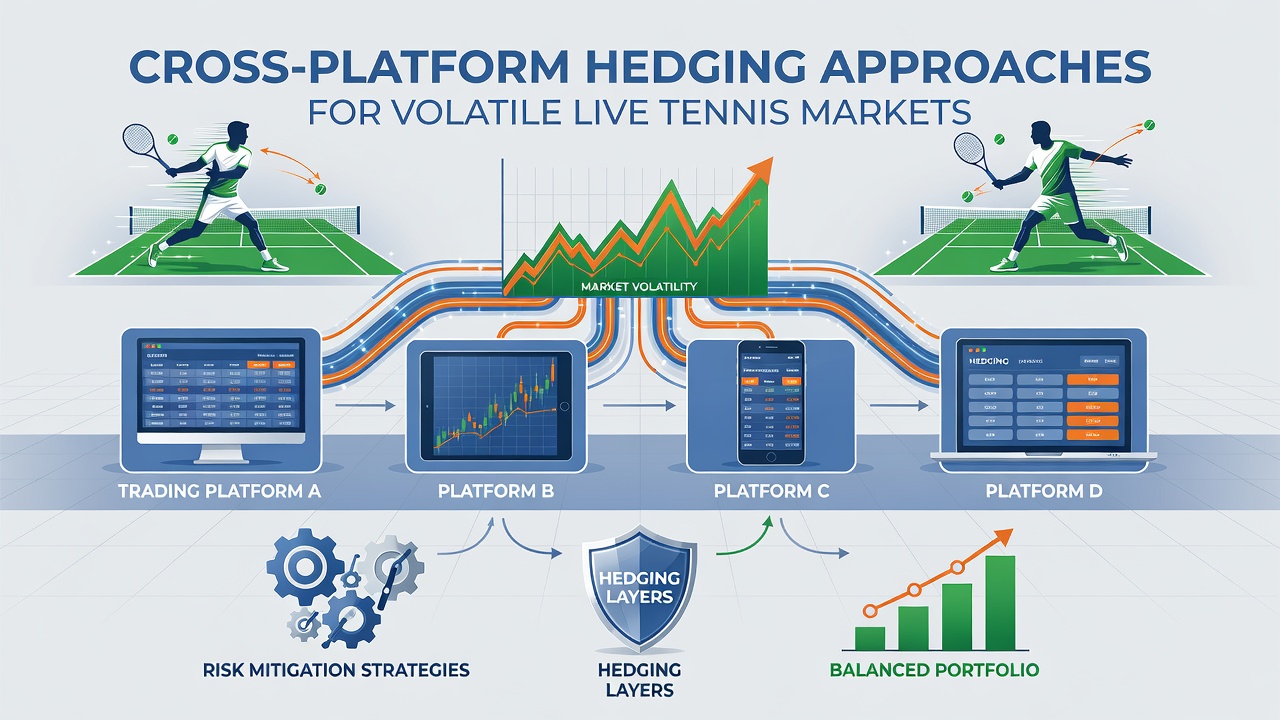
Data from major international betting exchanges shows that live tennis markets experience price swings of 15 to 30 percent within single games during high-profile tournaments, and traders respond by shifting positions across multiple platforms to stabilize returns. Observers note that August 2026 brought particularly sharp movements during the North American hard-court swing, where sudden weather changes and fatigue factors altered set outcomes faster than traditional models predicted.
Platform Differences That Create Hedging Opportunities
Bookmakers adjust margins based on liability limits while exchanges reflect pure market sentiment through matched bets, adn this structural gap allows positions to be opened on one side and offset on the other. Researchers at sports analytics firms have documented that liquidity on exchanges often lags bookmaker updates by 8 to 12 seconds during break points, giving participants a brief window to layer opposing exposure before prices align.
Those who monitor both systems simultaneously report that a serve hold probability posted at 78 percent on a bookmaker can trade at 71 percent on an exchange within the same point, and the discrepancy narrows only after volume crosses a threshold. Such patterns repeat across multiple surfaces, though clay courts tend to produce slower convergence because rallies extend longer and data feeds update less frequently.
Core Hedging Sequences Used in Practice
Traders typically open a back position on a favorite at a bookmaker, then immediately lay the same selection on an exchange at a slightly higher price to lock in a small margin regardless of outcome. When the underdog breaks serve, the original back stake is reduced through partial cash-out functions while the lay stake remains open, and the net exposure shifts toward profit if the set extends.
Another sequence involves stacking multiple micro-positions across three platforms: a bookmaker for the initial back, an exchange for the lay offset, and a secondary exchange for smaller corrective trades once in-play statistics such as first-serve percentage become available. Data indicates that participants who maintain pre-set exposure limits of no more than 4 percent of total bankroll per match reduce drawdown risk even when three consecutive games produce unexpected breaks.
Timing and Data Integration Factors
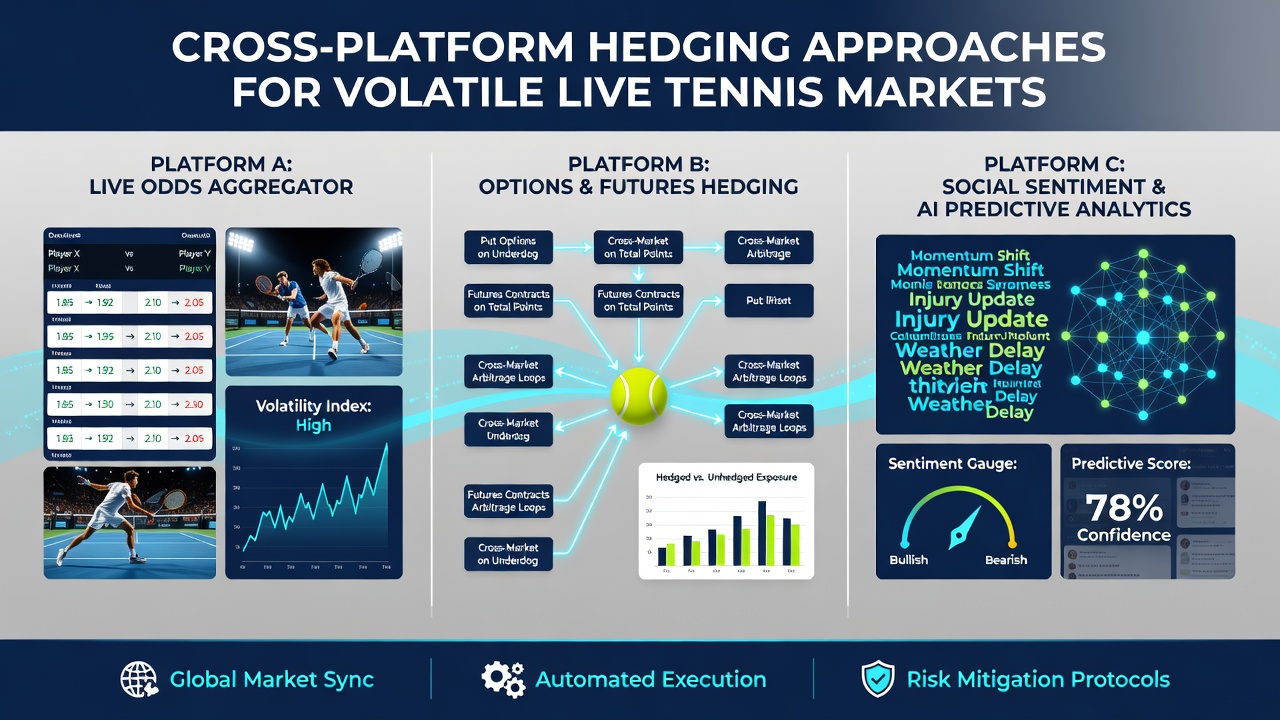
Real-time point-by-point feeds from official scoring providers update faster than many bookmaker algorithms, and traders who integrate these feeds with exchange order books can anticipate momentum shifts before public odds adjust. Studies conducted by university sports science departments have shown that second-serve win rates above 55 percent correlate with a 12 percent increase in break probability on the subsequent return game, and this metric appears in hedging models used by professional syndicates.
August 2026 schedules placed several marquee matches in humid evening conditions, where ball speed dropped measurably after 90 minutes of play, and cross-platform operators adjusted their algorithms accordingly by widening spreads on later sets. Those adjustments created fresh entry points for hedgers who tracked humidity data alongside score progression.
Risk Controls and Platform Selection
Effective hedging requires accounts at multiple operators with differing settlement speeds and maximum stake thresholds, because a single platform suspension during a critical point can leave unbalanced exposure. Industry reports from the European Gaming and Betting Association highlight that operators with automated risk engines pause markets more frequently on tie-breaks, forcing hedgers to pre-calculate exit strategies that rely on alternative exchanges still accepting bets.
Participants also maintain separate liquidity pools for each platform to avoid withdrawal delays that could prevent rapid position adjustments. Figures from the European Gaming and Betting Association show average settlement times vary between 90 seconds and four minutes depending on the operator, and this range directly influences how many simultaneous matches a single trader can hedge effectively.
Conclusion
Cross-platform hedging in live tennis markets relies on measurable differences in pricing speed, liquidity depth, and data integration across operators. Those who combine real-time scoring feeds with staggered position sizing across exchanges and bookmakers maintain more consistent exposure levels even when individual games swing sharply. Continued refinement of these sequences depends on access to accurate point data and disciplined adherence to pre-defined risk parameters rather than reactive adjustments during play.