Broker Platforms Align with Live Exchange Streams to Hone Scalping Approaches in Key Tennis Events
Zoe Ludwig · Jun 8, 2026
Broker Platforms Align with Live Exchange Streams to Hone Scalping Approaches in Key Tennis Events
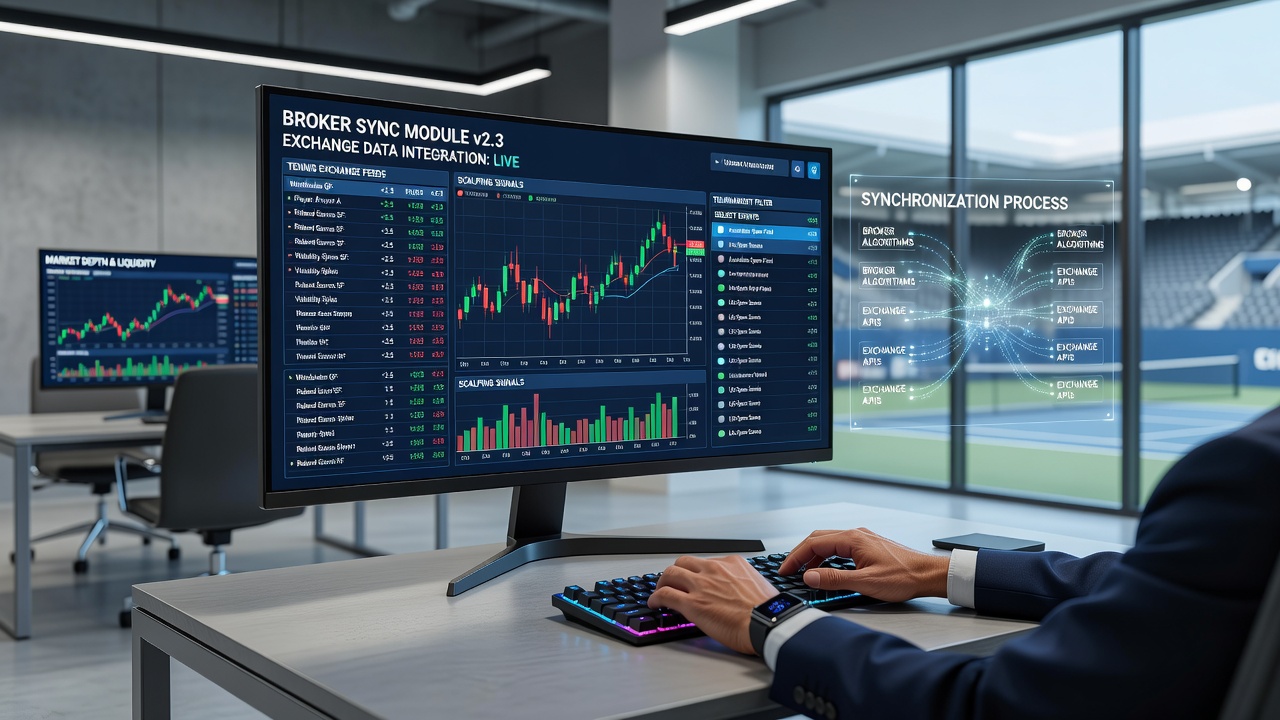
Broker tools connect directly to exchange data feeds through application programming interfaces that pull real-time odds, volume, and market depth for tennis matches. These connections allow systems to process incoming streams from multiple sources simultaneously, which reduces latency between price updates and trade execution across select tournaments. Observers note that such synchronization becomes particularly relevant during high-volume periods when player performance data shifts rapidly between sets and games.
Core Mechanics of Data Integration
Systems establish persistent connections to exchange servers while maintaining parallel links to broker order management modules, and this setup permits continuous comparison of bookmaker lines against exchange liquidity pools. Data packets arrive in standardized formats that include timestamped bid-ask spreads along with matched volume figures, enabling algorithms to flag discrepancies within milliseconds. Researchers at institutions studying financial technology applications have documented similar integration patterns in other asset classes, where reduced lag correlates with higher frequency execution rates.
Configuration files specify which tournaments receive priority routing, such as those on the ATP and WTA calendars that feature consistent scheduling and detailed player statistics. During events in June 2026, including the lead-up to major grass-court competitions, these prioritized feeds incorporate additional layers like serve-speed telemetry and historical head-to-head metrics that feed into scalping models.
Application Across Targeted Tournaments
Scalping tactics focus on brief price movements that appear in pre-match and in-play markets for matches at venues like the Australian Open or French Open circuits. When broker platforms receive synchronized feeds, they can automatically place offsetting positions on exchanges once bookmaker odds deviate beyond preset thresholds. Those who monitor these workflows report that tournaments with predictable match durations, such as best-of-three sets on indoor hard courts, produce clearer signals for rapid entries and exits.
One documented workflow involves layering multiple exchange endpoints so that primary liquidity from one venue supplements secondary depth from another, which helps maintain execution during sudden volume spikes after a break of serve. Industry reports from bodies like the Nevada Gaming Control Board highlight how regulated operators track comparable data streams to ensure compliance while capturing short-term inefficiencies.
Technical Considerations for Reliability
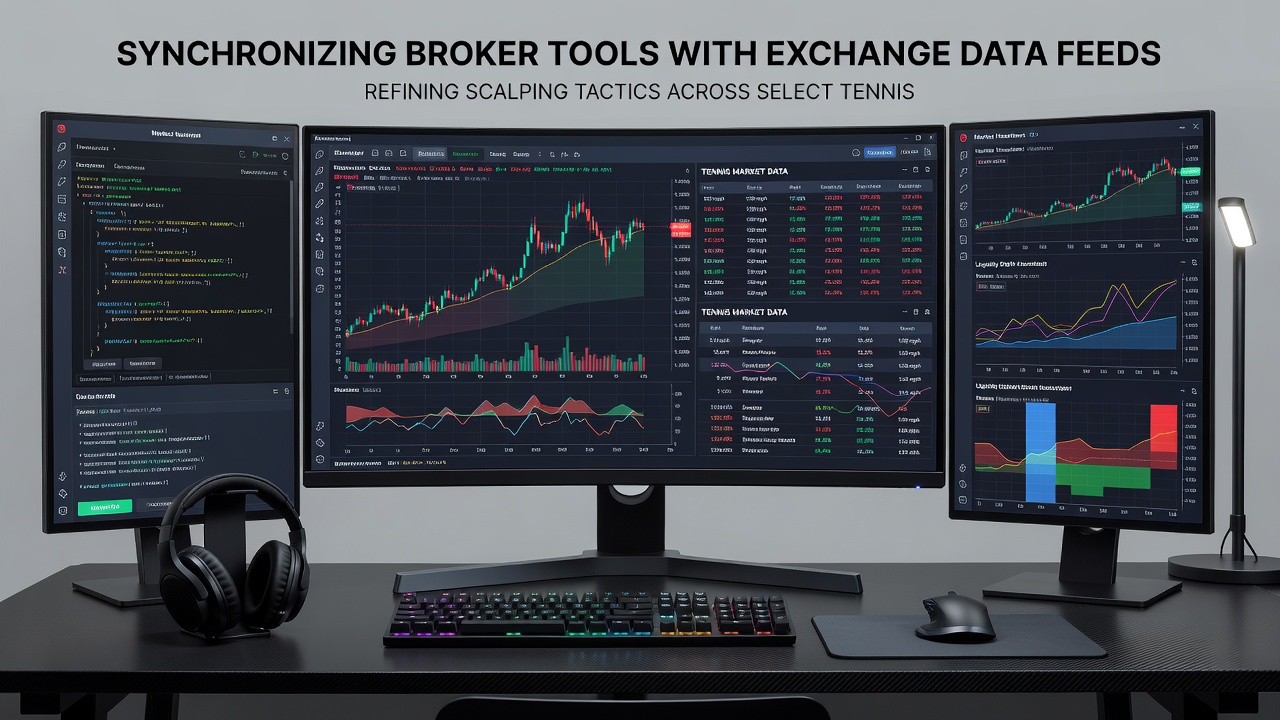
Network redundancy protocols route traffic through backup paths when primary connections encounter congestion, and this arrangement preserves feed continuity during peak tournament hours. Timestamp synchronization across servers prevents out-of-sequence updates that could trigger erroneous trades, while checksum validation routines verify packet integrity before data enters the decision engine. Studies from academic centers examining high-frequency trading infrastructure emphasize the value of such validation steps in maintaining order accuracy.
Scalping parameters adjust dynamically based on tournament surface and round, with tighter thresholds applied during early rounds where match volatility tends to remain lower. Exchange data fields for implied probability and last traded price feed directly into position sizing modules, allowing adjustments that align with available liquidity at each price level.
Performance Tracking and Adjustments
Monitoring dashboards compile execution statistics that include fill rates, slippage measurements, and latency distributions across sessions. These metrics guide iterative refinements to the synchronization logic, particularly when new exchange endpoints come online or when tournament organizers release updated scoring formats. Data compiled by organizations such as the Canadian Gaming Association indicates broader industry movement toward standardized API specifications that facilitate these ongoing calibrations.
Operators maintain audit logs that record every data packet and corresponding trade action, which supports post-session reviews and regulatory reporting requirements in jurisdictions where such activities fall under oversight.
Conclusion
Synchronization between broker tools and exchange feeds supplies the technical foundation for scalping approaches tailored to tennis tournaments that exhibit suitable market characteristics. Continued development of these connections aligns with evolving data standards across global exchanges and supports consistent execution as tournament calendars progress through 2026 and beyond.