Broker Algorithms Bridge Endurance Event Markets Across Platforms
Ben Russell · Jul 15, 2026

Broker Algorithms Bridge Endurance Event Markets Across Platforms
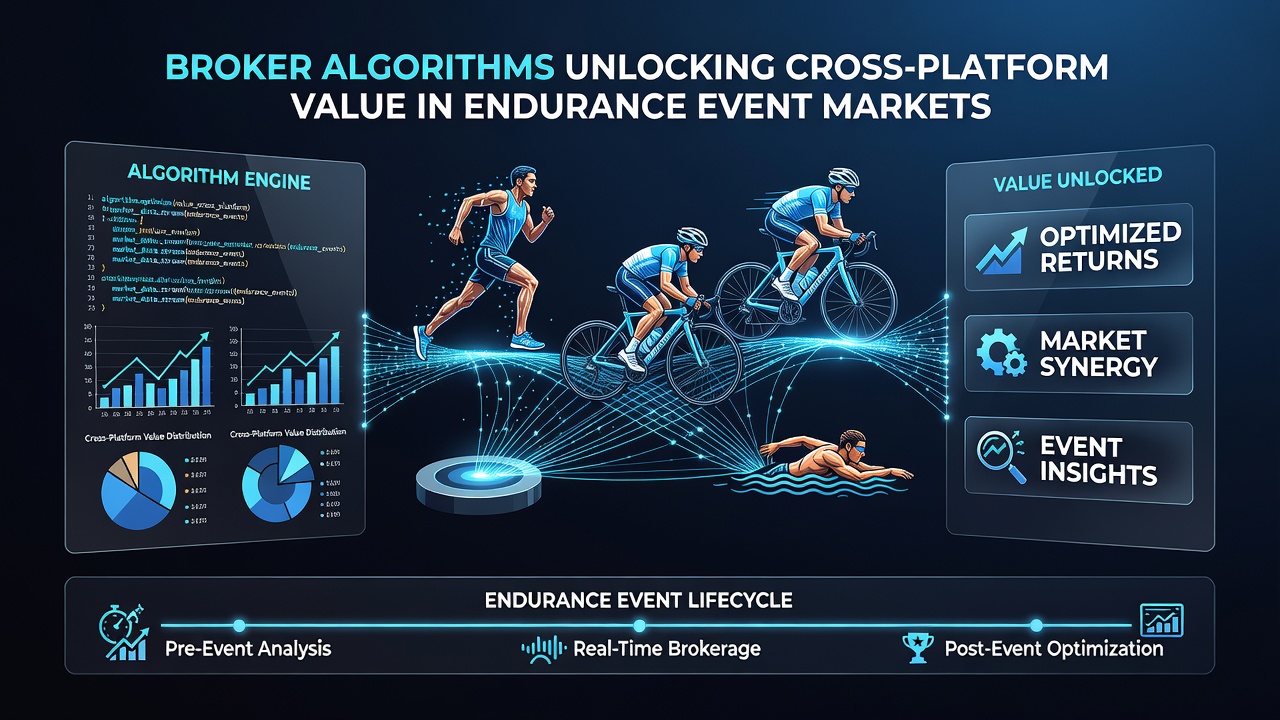
Endurance event markets have grown into complex arenas where broker algorithms connect bookmaker odds with exchange layers to capture value that single-platform approaches often miss, and these systems process live data streams from events like marathons, triathlons, and long-distance cycling races while adjusting positions across multiple operators in real time. Observers note that the structure of endurance betting differs from shorter contests because outcomes unfold over hours or days, which creates extended windows for price discrepancies to appear and close.
Market Structure in Endurance Events
Endurance competitions generate layered betting opportunities that include outright winners, stage results, in-race leader markets, and prop bets on split times or checkpoint performances, while algorithms monitor these simultaneously because a shift in one bookmaker's line can signal an arbitrage window on an exchange. Data from industry reports indicates that participation volumes in such markets rose steadily through 2025, driven by increased global coverage of events and the availability of micro-markets that update every few minutes during races.
Those who track these patterns point out that endurance fields often feature large numbers of competitors with varying form indicators, which makes manual monitoring impractical and elevates the role of automated systems that ingest feeds from timing systems, weather stations, and historical performance databases at once.
Algorithmic Cross-Platform Integration
Broker platforms deploy machine learning models that compare liquidity and pricing across bookmakers and exchanges without requiring separate logins for each operator, and these models flag instances where a runner's implied probability on one site diverges from the lay price available elsewhere. Researchers at several European institutions have documented how such integrations reduce execution latency to under two seconds in high-volume periods, allowing positions to lock in before markets realign.
What's interesting is the way these algorithms incorporate external variables such as elevation profiles and temperature forecasts, which endurance events amplify because small changes in conditions can shift outcomes dramatically over long distances. One documented case involved a multi-day cycling stage where algorithms detected a 4% pricing gap between a bookmaker's in-play favorite and an exchange lay option after a mid-stage weather update, resulting in automated layering that captured the spread before the gap narrowed.
Regulatory Context and July 2026 Developments
Regulatory bodies outside the UK continue to shape how these tools operate, with Australia's Victorian Commission for Gambling and Liquor Regulation publishing updated guidance on algorithmic trading transparency in mid-2026. Figures from the European Gaming and Betting Association reveal that cross-border endurance event volumes increased 11% year-over-year through the first half of 2026, partly because operators adopted standardized API protocols that algorithms exploit for faster reconciliation.
During July 2026, when several major endurance calendars reach peak activity including multi-stage cycling tours and ultra-distance running festivals, these systems face heightened demand because overlapping events create simultaneous pricing opportunities across time zones. Industry observers report that platforms handling such periods maintain redundant data centers to ensure uninterrupted feed ingestion even when one source experiences delays.
Practical Implementation Patterns
Traders using broker algorithms often set parameters that prioritize low-correlation events so that a single unexpected result does not cascade across an entire portfolio, and endurance markets lend themselves to this approach because individual performances within a large field show greater independence than team-based sports. Studies from academic groups in Canada have examined similar setups and found that diversified layering across five or more platforms tends to stabilize returns when volatility spikes near event conclusions.
Yet the same research highlights that model accuracy depends on clean historical datasets, which endurance events sometimes lack because older races used different timing technologies or course measurements. Operators address this by weighting recent seasons more heavily while still incorporating long-term trends in athlete durability and recovery metrics.
Conclusion
Broker algorithms continue to reshape how endurance event markets function by linking previously separate liquidity pools and surfacing value that emerges only through simultaneous comparison, and the pattern shows no sign of slowing as more events adopt granular data feeds. Those monitoring the space expect further refinements in predictive inputs, particularly around athlete biometrics and environmental modeling, which will likely extend the windows algorithms can exploit. The result is a more interconnected market structure where platform differences become opportunities rather than barriers for systematic approaches.