Basketball Market Overlays Reveal Scalping Patterns on Exchanges During High-Volume Periods
Zoe Braun · Nov 12, 2026
Basketball Market Overlays Reveal Scalping Patterns on Exchanges During High-Volume Periods
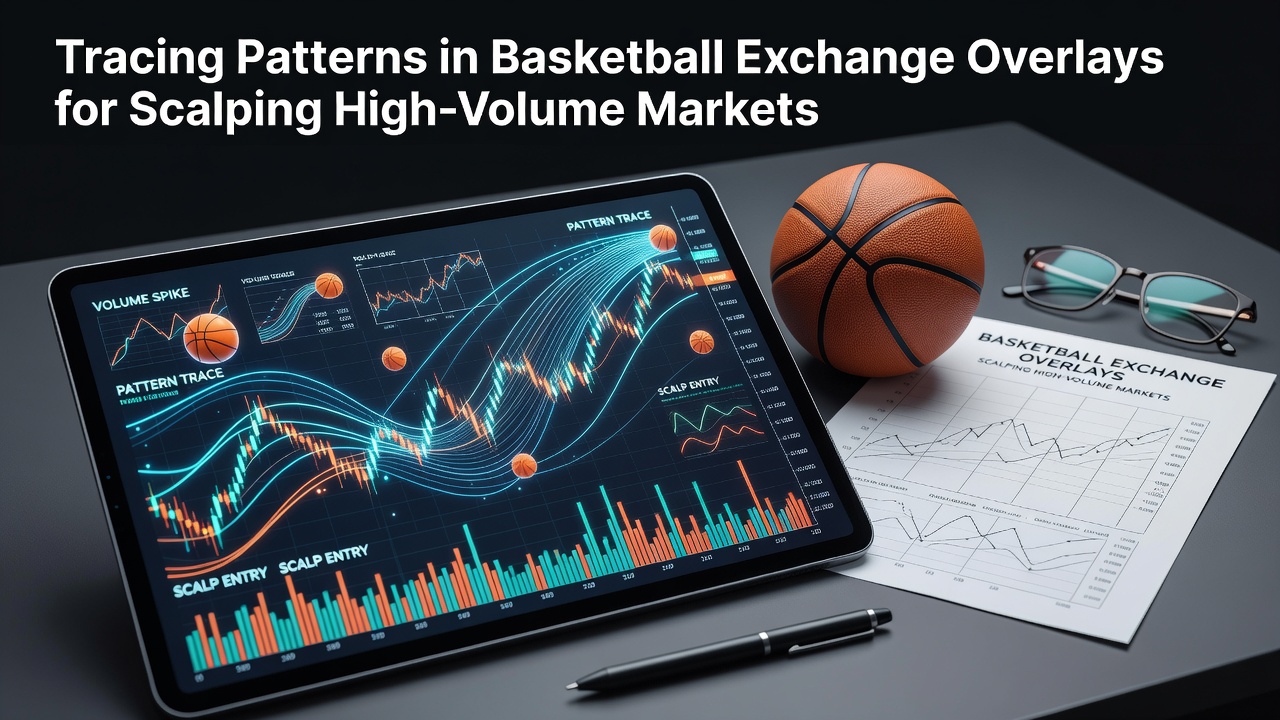
Traders monitoring basketball exchanges focus on overlay patterns that emerge when bookmaker lines diverge from exchange liquidity during peak trading windows, and these discrepancies often appear in NBA and EuroLeague contests where volume spikes create repeated opportunities for small incremental gains. Observers note that overlay detection relies on comparing live exchange prices against static bookmaker quotes, which allows participants to identify when one side of the market offers a temporary edge that can be closed quickly through matched positions.
Core Mechanics of Overlay Identification
Data indicates that overlay formation begins with rapid liquidity influx on exchanges, where bettors place opposing wagers that shift prices away from opening bookmaker levels, and this shift becomes measurable through timestamped price feeds that highlight moments when exchange back prices exceed bookmaker lay equivalents by a consistent margin. Researchers tracking these movements across multiple seasons have documented how certain game states, such as late-quarter timeouts or injury substitutions, accelerate the divergence and produce repeatable sequences that scalpers target for entry and exit.
Those who study high-volume basketball sessions report that patterns cluster around specific time intervals, particularly the first five minutes of each quarter when fresh betting interest collides with existing exchange depth, while mid-game momentum swings generate secondary overlays that resolve within two to three minutes. Figures from major exchanges show these intervals account for the majority of scalping executions in basketball markets, because the combination of high turnover and layered order books creates narrow windows where small price corrections deliver measurable returns after commission.
Scalping Execution in Layered Markets
Scalpers execute by placing simultaneous back and lay orders at adjacent price points once an overlay threshold is crossed, which locks in a spread that closes when the exchange price realigns with broader market sentiment. Market participants have observed that success depends on rapid order placement tools that monitor multiple basketball fixtures simultaneously, because single-game focus often misses the cumulative volume advantage that arises when several contests run in parallel during evening schedules. Evidence suggests that traders who diversify across two or three overlapping games maintain steadier execution rates than those concentrated on one high-profile matchup.
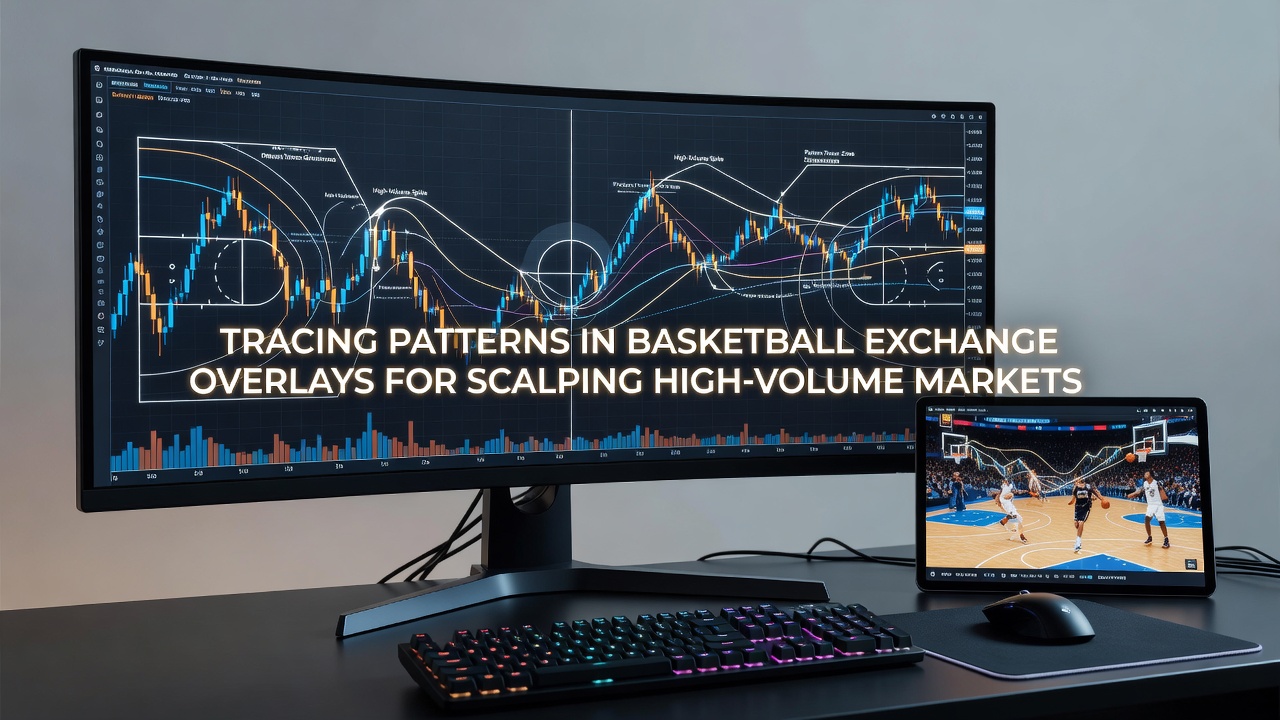
November 2026 records indicate elevated activity during the early NBA season, when increased roster changes and schedule density produced more frequent overlay formations than the prior month, and exchange operators noted higher matched volumes in player performance markets alongside traditional match outcomes. According to statistics compiled by the NBA, injury-related lineup adjustments during that period correlated with sharper price movements on exchanges, which in turn amplified overlay frequency for traders equipped with real-time comparison software.
Pattern Recognition Across Multiple Leagues
Comparative analysis across European and North American basketball reveals that EuroLeague overlays tend to form around defensive matchup announcements, whereas NBA patterns more often track offensive rating fluctuations published in live box scores, and both generate distinct sequences that experienced observers learn to distinguish through historical price archives. Industry reports from the European Gaming and Betting Association highlight how cross-league data aggregation improves pattern accuracy, because isolated league monitoring misses correlated movements that appear when international betting syndicates shift capital between markets.
Traders further refine detection by layering volume filters that exclude low-liquidity periods, which reduces false positives and focuses attention on games where exchange depth supports rapid position closure. Studies of archived order book data show that overlays lasting under ninety seconds contribute the largest share of completed scalps, because longer durations increase exposure to counter-movements that erode the initial edge.
Conclusion
Pattern tracing in basketball exchange overlays continues to evolve alongside improvements in data feeds and execution speed, and current evidence points to sustained relevance for participants who maintain disciplined thresholds and multi-market coverage. Observers expect ongoing refinement of detection algorithms as November 2026 data integrates into broader seasonal models, providing additional reference points for those active in high-volume basketball environments.